
Retro metal furniture, a short guide.
Chrome tubes, wire grids and sled legs: why a hundred-year-old idea still looks new in your living room.
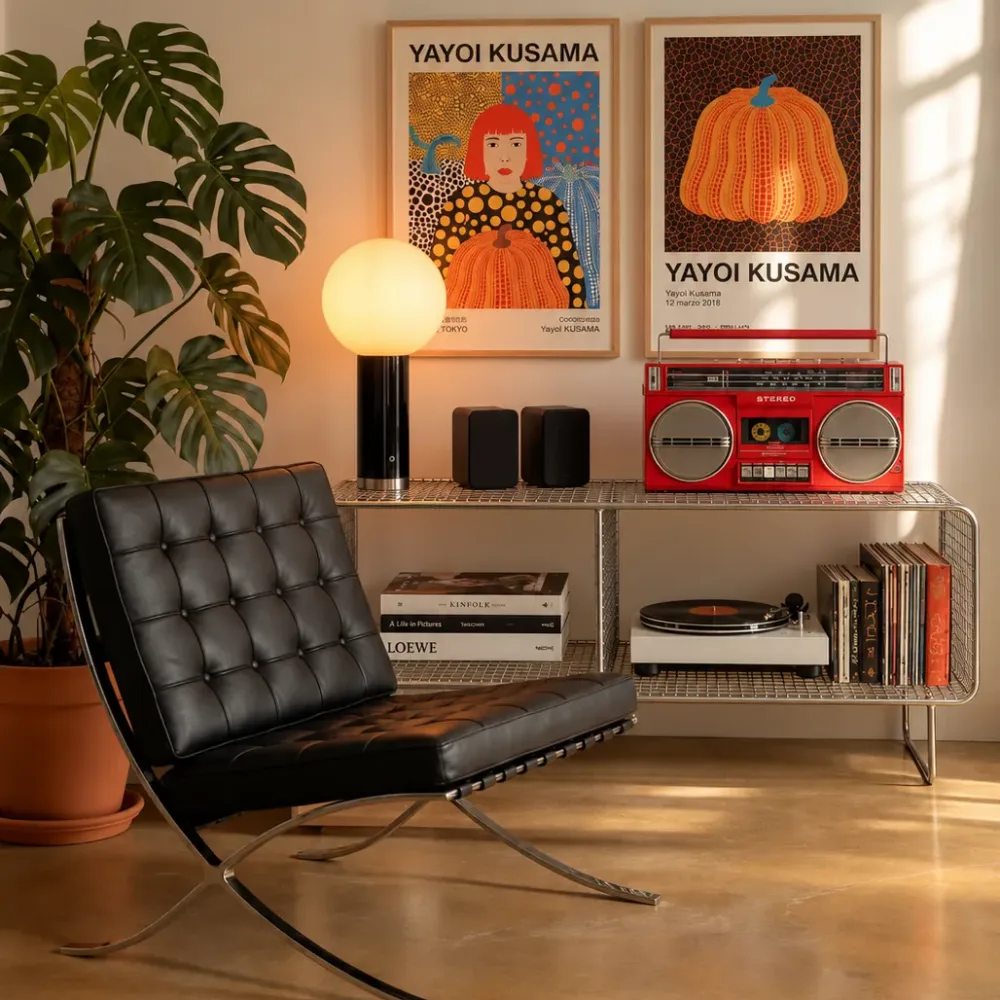
Metal furniture has a reputation for being cold. Office chairs, school lockers, hospital trolleys. But walk into a room with one good chrome or wire piece and it does the opposite: it catches the light, keeps the room feeling open and gives everything around it something to bounce off.
Where it came from
The story starts in the 1920s at the Bauhaus in Germany. Designers like Marcel Breuer looked at bent steel bicycle handlebars and wondered why a chair couldn’t be built the same way. The result was tubular steel furniture: light, strong, easy to mass produce and nothing like the heavy carved wood that came before it.
In the 1950s, wire took over. Designers such as Harry Bertoia and Charles and Ray Eames bent thin steel rods into chairs that looked almost like drawings in the air. You could see straight through them, which made small rooms feel bigger.
By the 1970s, chrome was everywhere: bar carts, shelving, glass-topped tables, the whole disco-era shine. That is the look most people mean today when they say “retro metal”.
You can see straight through it. That’s the trick: it takes up space without taking up the room.
Why it lasts
- It doesn’t warp. No swelling in humid summers, no sagging shelves under a stack of records.
- It’s light. Easy to move when you rearrange, carry up stairs or take with you when you move flat.
- It goes with everything. Wood floors, concrete, rugs, plants, vintage, modern. Metal sits in the middle of it all.
- It’s easy to clean. A damp cloth and a dry one. That’s the whole routine.
How to style it at home
Mix it with something warm. Metal looks its best next to wood, wicker, linen or a rug with some colour in it. One chrome piece in a room full of warm textures beats a room that is all metal.
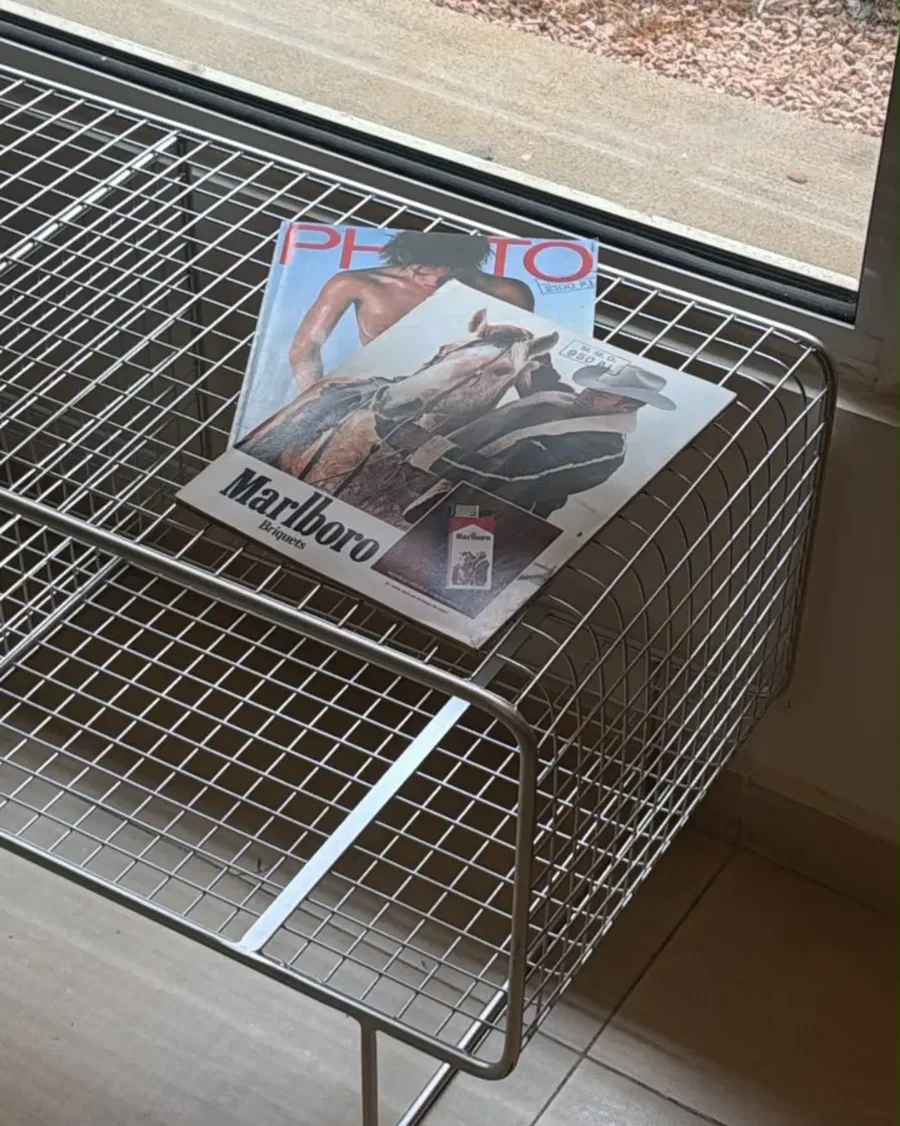
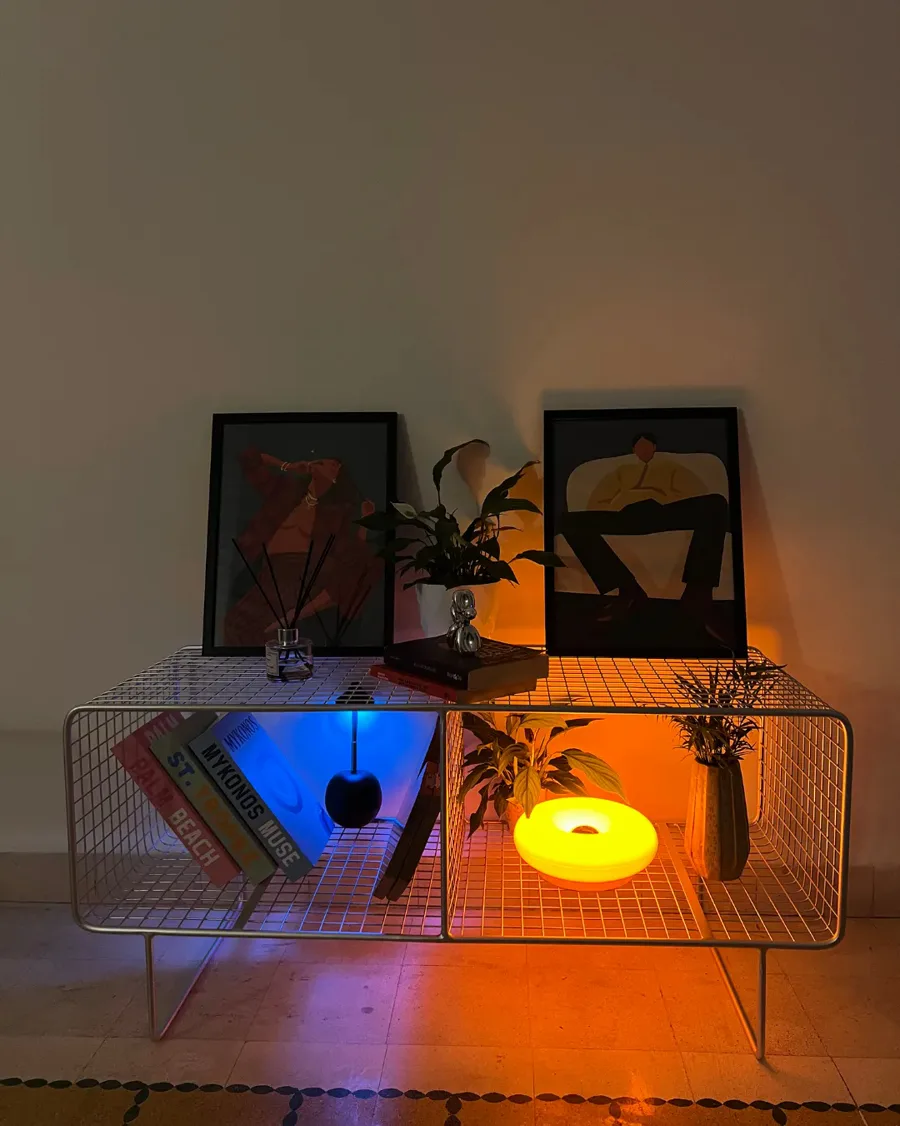
Let it hold things you love. Open shelving is made to be looked at. Records, books, a plant that trails over the edge, a speaker, a couple of prints leaning against the wall.
Use the light. Put a lamp on top or near it. Chrome and wire throw reflections and shadows that make an evening room feel alive.
Don’t fill every gap. The see-through look is the point. Leave some cubbies a little empty.
Looking after it
Wipe with a soft damp cloth, then dry it. Skip scouring pads and harsh cleaners; they scratch the finish. If it gets wet, dry it rather than leaving water to sit on the joints. Felt pads are a nice extra on tiled floors, though sled legs already spread the weight better than four thin feet.